


Chevy Traverse vs. Ford Explorer SUV Comparison [2026]
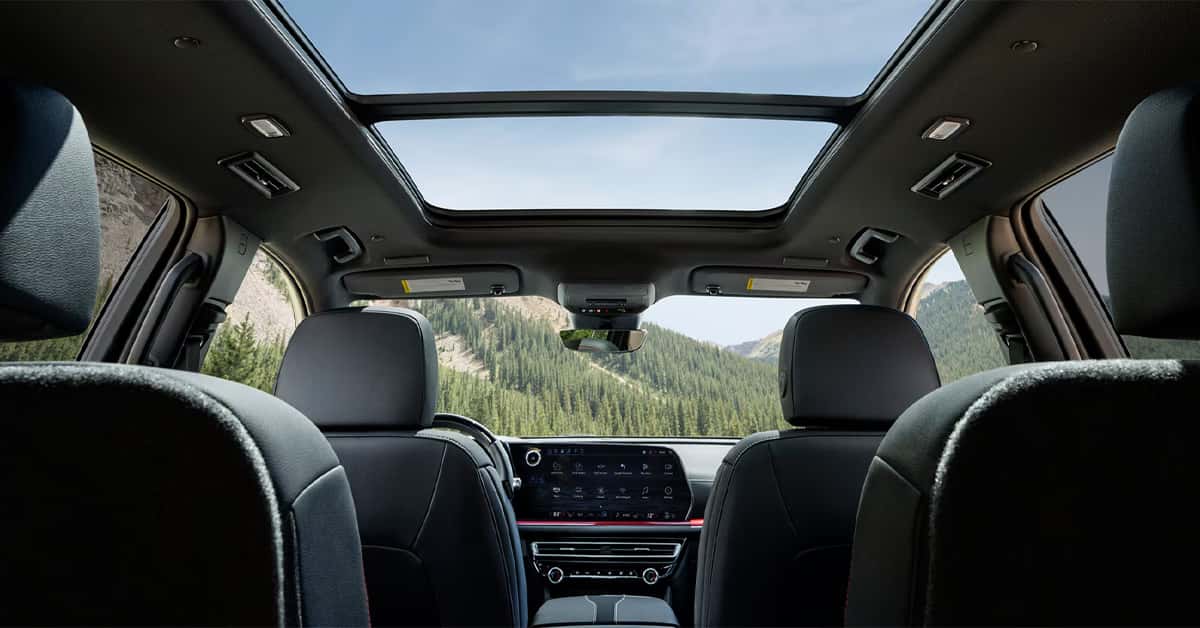
Choosing between the 2026 Chevy Traverse and the Ford Explorer comes down to how each SUV balances space, performance, technology, and everyday usability. Both are popular three-row options, but they take different approaches to passenger comfort, cargo flexibility, and driving feel. Understanding these differences helps shoppers decide which SUV better fits their family needs, lifestyle, and long-term plans.
At Costa Mesa Chevrolet, drivers can get straightforward guidance and hands-on support throughout the entire vehicle ownership journey. From new inventory and pre-owned vehicle sales to certified service, genuine parts, and routine maintenance, the team is here to help every step of the way. Reach out by phone or visit Costa Mesa Chevrolet today to explore your options and get personalized assistance tailored to your needs.
Why Are Drivers Comparing the 2026 Chevy Traverse vs. Ford Explorer?
Drivers shopping for a midsize three-row SUV often end up comparing the 2026 Chevy Traverse and the Ford Explorer because both promise everyday practicality without moving into full-size territory. Each is designed for families, commuters, and weekend travelers who want space, flexibility, and modern features in one vehicle. The decision usually starts with how these SUVs feel in real life, not just on paper.
One of the most common comparison points is chevy traverse vs. ford explorer size. Space matters when third-row seating is used regularly or when cargo has to share room with passengers. The Traverse is known for its wide, open interior that feels accommodating across all three rows, while the Explorer takes a slightly more athletic approach with a footprint that feels tighter and more performance-oriented. These differences become noticeable during daily routines like school drop-offs, grocery runs, and longer drives.
Drivers tend to narrow their choices to these models for a few clear reasons:
- Both offer three-row seating with flexible configurations
- Each balances family-friendly design with confident road manners
- Both are popular among drivers who want interior space without oversized dimensions
- Each appeals to different priorities, roomy comfort versus sportier driving dynamics
|
Comparison Area |
Chevy Traverse |
Ford Explorer |
|
Overall interior feel |
Open and spacious, especially in the third row |
More compact and driver-focused |
|
Passenger comfort |
Designed to comfortably seat adults in all rows |
Best suited for smaller third-row passengers |
|
Everyday usability |
Easy to live with for families and carpools |
Appeals to drivers who value performance feel |
|
Ideal buyer |
Space-focused households |
Drivers wanting a sportier SUV experience |
For many drivers, the comparison becomes personal once they imagine their own lifestyle in each SUV. A family with car seats, sports gear, and frequent road trips may lean toward the Traverse for its room and flexibility. Others who prioritize driving feel and a slightly smaller footprint may find the Explorer more appealing.
To see how the Traverse fits into your daily routine, a visit to Costa Mesa Chevrolet can provide clarity that photos and specs cannot. Sitting in every row and taking a test drive often makes the right choice feel obvious.
How Does the Chevy Traverse vs. Ford Explorer Size Compare?
Size plays a major role in how a three-row SUV feels over years of ownership. Interior room affects comfort, cargo flexibility, and even how relaxed everyday driving feels. When drivers compare these two models, the differences become clear as soon as all rows are in use.
The Traverse is designed with a larger overall footprint that prioritizes passenger space. Its wide cabin and longer body translate into a third row that adults can actually use, not just for short trips. The Explorer, while still offering three rows, leans toward a more compact layout that favors a sportier driving feel and tighter exterior dimensions.
Passenger space often matters more than raw exterior measurements. Families who routinely carry more than five people tend to notice these differences right away.
|
Space Consideration |
Chevy Traverse |
Ford Explorer |
|
Third-row seating |
More legroom and headroom for adults |
Better suited for kids or shorter rides |
|
Cabin width |
Wider feel across all three rows |
Narrower, more driver-focused layout |
|
Ease of entry |
Larger door openings and flatter load floor |
Slightly higher step-in height |
|
Passenger comfort when full |
Remains comfortable with all seats occupied |
Feels more compact when fully loaded |
Size is not just about comfort, it can also influence how confidently a vehicle handles daily demands over time. When families are consistently loading passengers, car seats, and gear, a more spacious layout often feels less stressed in everyday use. This is one reason size is sometimes discussed alongside chevy traverse vs. ford explorer reliability, since vehicles that operate well within their capacity can feel more dependable for the long haul.
Situations where size makes a noticeable difference include:
- Carpooling with adults or teenagers in the third row
- Packing gear while keeping all seats available
- Long highway drives with a full cabin
Drivers who want maximum interior room without stepping into a full-size SUV often gravitate toward the Traverse. Its size supports busy lifestyles while still remaining manageable in daily driving.
To experience that space firsthand and see how it fits your routine, a visit to Costa Mesa Chevrolet can be helpful. Sitting in every row and loading the cargo area provides clarity that numbers alone cannot.
Which SUV Offers More Interior Space for Passengers?
Passenger space is often the deciding factor when choosing a three-row SUV, especially for households that regularly use every seat. Comfort across all rows, ease of movement, and how open the cabin feels can shape daily satisfaction behind the wheel. When these two SUVs are compared side by side, their design priorities become clear.
The Traverse emphasizes openness and usable space from the first row to the third. Its wide cabin and thoughtful seat placement allow passengers to stretch out, even in the back. The Explorer takes a more driver-focused approach, which can feel engaging from the front seats but slightly tighter once the second and third rows are occupied.
Interior space is not just about legroom numbers. It is about how people actually feel once seated, especially on longer drives.
|
Passenger Area |
Chevy Traverse |
Ford Explorer |
|
Front row |
Spacious with a relaxed seating position |
Supportive with a sportier feel |
|
Second row |
Generous legroom and shoulder space |
Comfortable but more compact |
|
Third row |
Adult-friendly for longer trips |
Better for kids or occasional use |
|
Overall cabin feel |
Open and airy |
More enclosed and performance-oriented |
Passenger room often goes hand in hand with storage flexibility. Families frequently evaluate seating comfort alongside chevy traverse vs. ford explorer cargo space, since trips rarely involve people or gear alone. The Traverse allows passengers to remain comfortable while still leaving room behind the third row for everyday items like backpacks, groceries, or sports equipment.
Drivers who regularly travel with a full cabin tend to appreciate:
- Easier movement between rows
- Less shoulder crowding in the second row
- A third row that does not feel like an afterthought
For families, carpools, or anyone who values interior breathing room, the Traverse offers a clear advantage in passenger comfort. That extra space can make daily errands feel calmer and long drives more enjoyable.
To see how this interior space feels in person, spending time inside the Traverse can be eye-opening. The team at Costa Mesa Chevrolet is available to help you sit in every row, ask questions, and explore how the cabin fits your needs.
How Does Chevy Traverse vs. Ford Explorer Cargo Space Stack Up?
Cargo space is where a three-row SUV either makes life easier or adds daily frustration. Families, commuters, and weekend travelers often need room for groceries, sports gear, luggage, and everything in between. When these two SUVs are compared, the difference in cargo philosophy becomes clear almost immediately.
The Traverse is built with hauling in mind. Its longer body and wider rear opening create a cargo area that remains useful even when the third row is in place. The Explorer provides solid storage for everyday needs, but its shorter cargo area can feel more limited once all seats are occupied.
Specs matter, but usability matters more. Looking at chevy traverse vs. ford explorer specs helps explain why one may feel easier to live with than the other.
|
Cargo Situation |
Chevy Traverse |
Ford Explorer |
|
Space behind third row |
Larger area for groceries and backpacks |
Tighter space with full seating |
|
Cargo with third row folded |
Long, flat load floor for bulky items |
Competitive but shorter load length |
|
Rear opening |
Wide and easy to load |
Slightly narrower opening |
|
Family road trips |
Easier to pack without sacrificing seats |
Often requires folding seats |
Cargo room influences how often drivers need to reshuffle seats or make compromises. For parents heading to practices or families planning weekend trips, having space available without thinking about it becomes a major advantage. The Traverse allows drivers to keep all rows in use while still carrying everyday items, which reduces hassle over time.
Common situations where cargo space stands out include:
- School drop-offs followed by grocery runs
- Airport trips with multiple suitcases
- Transporting strollers, coolers, or sports equipment
Drivers who frequently carry both passengers and gear often appreciate the extra flexibility the Traverse provides. That added space can make routines smoother and trips less stressful.
To see how much room is really available, visiting Costa Mesa Chevrolet can be helpful. Opening the liftgate, folding seats, and visualizing your own cargo needs offers clarity that numbers alone cannot provide.
What Are the Chevy Traverse vs. Ford Explorer Specs for 2026?
Specifications often shape how confident drivers feel choosing a three-row SUV, especially when performance, capability, and efficiency all factor into daily use. When comparing the 2026 Chevy Traverse vs. Ford Explorer, the differences are less about which is better on paper and more about how each one is engineered to support different driving priorities.
The Traverse continues to emphasize smooth, predictable performance that feels comfortable whether the cabin is full or lightly loaded. The Explorer leans into a more athletic character, offering responsive handling and a slightly sportier feel behind the wheel. Both approaches appeal to different types of drivers, depending on how and where the SUV will be used most often.
Looking at core specifications helps clarify how these two SUVs approach everyday driving and longer trips.
|
Spec Category |
Chevy Traverse |
Ford Explorer |
|
Engine philosophy |
Tuned for smooth, consistent power delivery |
Focused on responsive acceleration |
|
Transmission |
Automatic transmission designed for daily comfort |
Automatic transmission with sportier tuning |
|
Drivetrain options |
Front-wheel drive standard, all-wheel drive available |
Rear-wheel drive or all-wheel drive available |
|
Towing capability |
Suitable for small trailers and recreational gear |
Competitive towing depending on configuration |
|
Driving character |
Calm and composed on highways |
Engaging with a performance-oriented feel |
Beyond horsepower and towing, real-world drivability matters just as much. Both SUVs are designed to balance strength with efficiency, especially during highway cruising and stop-and-go traffic. Drivers who prioritize relaxed commuting and family travel often appreciate the Traverse’s steady, confident nature, while those who enjoy a more dynamic feel may gravitate toward the Explorer.
Specs tend to matter most in situations like:
- Merging onto busy freeways
- Driving with a full load of passengers
- Towing light recreational equipment
- Long-distance highway travel
For many drivers, the Traverse stands out as a well-rounded option that feels capable without being demanding. Its specifications support daily life rather than pushing toward performance extremes.
To learn more about how these specs translate to real-world driving or to explore available configurations, the team at Costa Mesa Chevrolet is ready to help. A test drive or quick conversation can make it easier to see which SUV aligns best with your needs.
How Do Driving Dynamics and Ride Comfort Compare?
Driving feel can be just as important as size or features when choosing a three-row SUV. How a vehicle accelerates, handles turns, and absorbs bumps shapes everyday confidence behind the wheel. When these two SUVs are driven back to back, their personalities become clear within the first few miles.
The Traverse is tuned for a smooth, composed ride that prioritizes comfort over sharpness. It feels steady on the highway, relaxed in stop-and-go traffic, and predictable when fully loaded with passengers. The Explorer delivers a more athletic driving experience, with firmer steering and a sense of responsiveness that appeals to drivers who enjoy a more engaged feel.
Ride comfort often shows up in subtle ways during daily driving. Long commutes, uneven pavement, and highway cruising all highlight differences in suspension tuning.
|
Driving Characteristic |
Chevy Traverse |
Ford Explorer |
|
Ride quality |
Soft and controlled over bumps |
Firmer with a performance-oriented feel |
|
Highway comfort |
Stable and quiet at cruising speeds |
Confident with more road feedback |
|
Steering feel |
Light and easy to manage |
Tighter and more direct |
|
Passenger experience |
Calm and comfortable for all rows |
More engaging for the driver |
Driving dynamics can also influence how drivers think about value, especially when weighing ford explorer vs chevy traverse price. Some drivers are willing to pay more for sportier handling and performance-focused tuning. Others prioritize comfort and everyday ease, which can make a smoother-riding SUV feel like the better long-term value.
Situations where ride comfort matters most include:
- Daily commuting in traffic
- Long family road trips
- Driving with kids or older passengers
- Navigating rough or uneven roads
For drivers who want a calm, family-friendly ride that stays comfortable mile after mile, the Traverse often feels like the more natural fit. Its driving dynamics are designed to reduce fatigue and keep everyone relaxed.
To experience how ride comfort and handling feel in real-world conditions, a test drive makes all the difference. The team at Costa Mesa Chevrolet can help arrange a drive and answer questions so you can decide which SUV suits your driving style best.
Quick Answers to Common Chevy Traverse vs. Ford Explorer Questions
Which SUV is more affordable, 2026 Traverse or 2026 Explorer?
The 2026 Chevy Traverse is expected to be more affordable than the 2026 Ford Explorer based on the most recent model years, with the Traverse typically starting at a lower base price than the Explorer.
How do they compare in performance?
The Chevy Traverse focuses on smooth, consistent V6 power designed for comfortable family driving, while the Ford Explorer offers a more performance-oriented lineup with stronger acceleration options depending on configuration.
What does the 2026 Chevy Traverse do better than the 2026 Ford Explorer?
The Chevy Traverse offers more interior passenger space and cargo room, especially in the third row, making it better suited for families who regularly carry adults and gear at the same time.
Which SUV has lower maintenance costs, 2026 Traverse or 2026 Explorer?
The Chevy Traverse typically has lower maintenance and ownership costs than the Ford Explorer based on historical data from recent model years, due to simpler powertrain options and more family-focused engineering.
Ready to Take the Next Step With Your SUV Search?
Comparing these two midsize SUVs highlights how differences in space, comfort, performance, and everyday usability can shape long-term satisfaction. Some drivers prioritize a smooth, family-focused ride, while others lean toward a sportier feel and different driving dynamics. Seeing how those differences line up with your lifestyle often makes the decision clearer.
Drivers from Huntington Beach, Newport Beach, Irvine, and Santa Ana are always welcome to explore a wide selection of vehicles at Costa Mesa Chevrolet, including the versatile Traverse. Whether you want to take a test drive, compare trims in person, or talk through ownership questions, the team is here to help with sales, service, parts, and ongoing support. Reaching out or stopping by can turn a comparison into a confident choice.
If you are also curious about how Chevrolet is shaping the future of performance and efficiency, there is more to discover across the site. Take a deeper look at Silverado EV updates, explore available options through Equinox EV trims, or learn more about electric truck capabilities with Silverado EV trim details. Continuing to explore can help connect today’s SUV decision with what is next in the Chevrolet lineup.
When you are ready, visit Costa Mesa Chevrolet, call us, or continue browsing to find the vehicle that fits your needs today and tomorrow.
Get Directions to Costa Mesa Chevrolet
Disclaimer: All information is provided for general informational and entertainment purposes only. While we strive for accuracy, we cannot guarantee that all content is complete, current, or error-free. Any reliance you place on such information is strictly at your own risk. This article may include opinions and is not endorsed by, or officially affiliated with, any vehicle manufacturer or brand. Always consult official sources – such as the vehicle’s owner’s manual, authorized dealerships, or certified professionals – for the most up-to-date and personalized information.
0 comment(s) so far on Chevy Traverse vs. Ford Explorer SUV Comparison [2026]